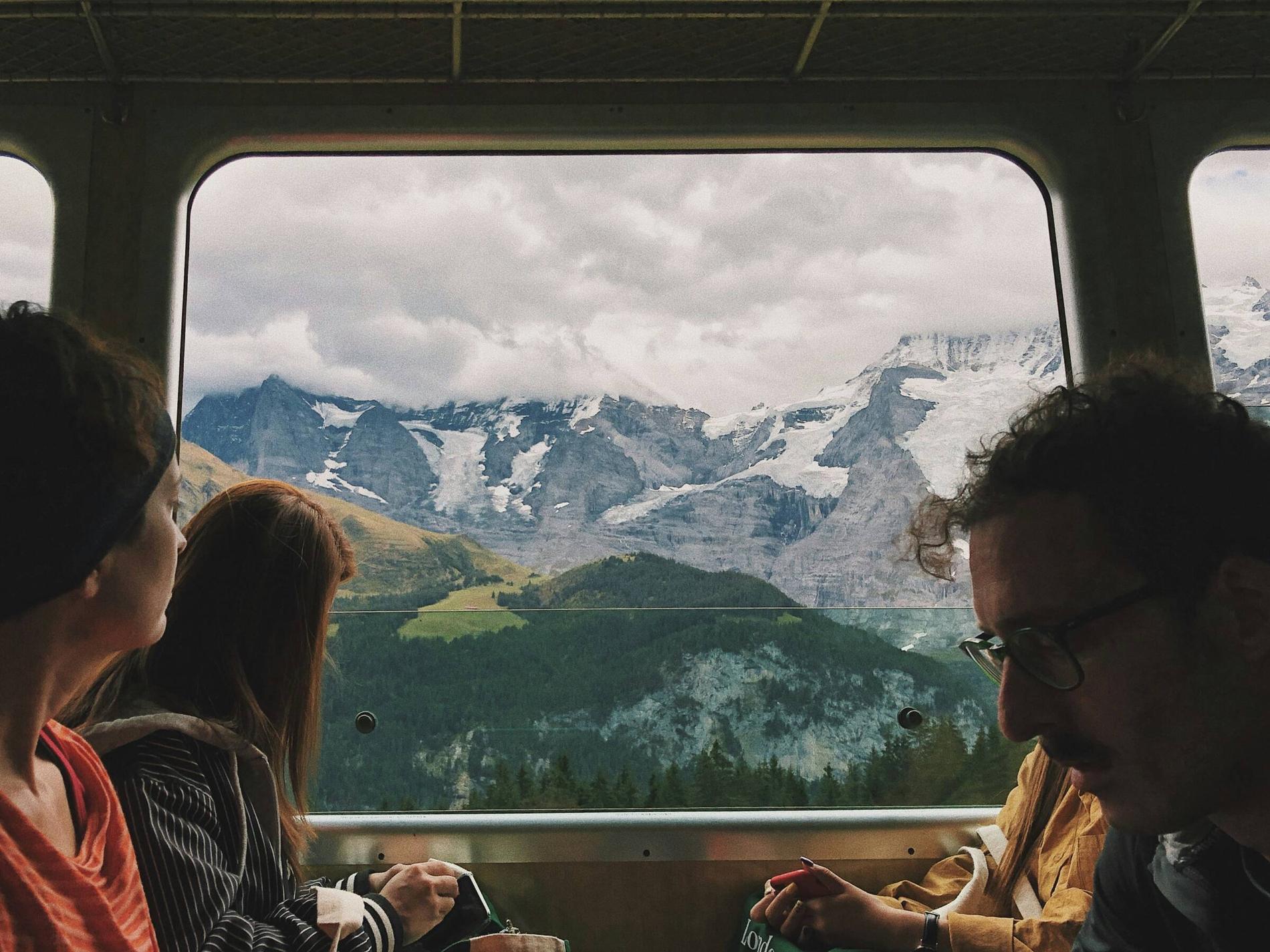
Tips for Travelling as a Student

Lara Parsons
08 August 2025 • 6 min read
About the author: Hi, I’m Lara Parsons! I recently graduated from Newcastle University with a degree in Journalism, Media and Culture. Originally from London, I've loved experiencing the buzz of both cities and I'm excited to share my tips on the best places to explore near you!
While independence is a key part of being a student living away from home, booking a holiday abroad is a great way to truly make the most of that freedom. Whether you’re Interrailing across Europe, backpacking through East Asia, or driving up the Australian coast, travelling is one of the best things you can do as a student.
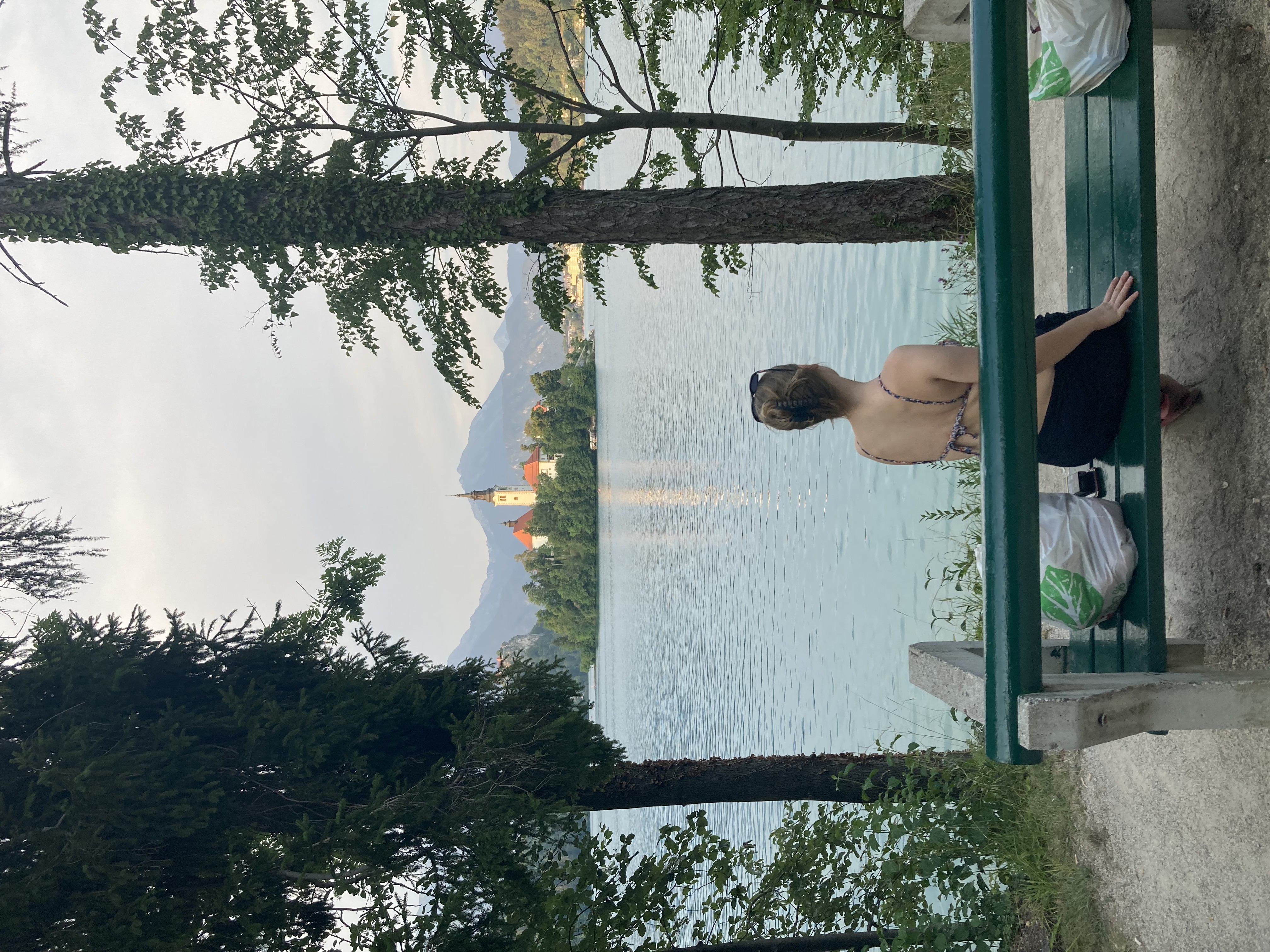
Take it from me – my time spent travelling around Eastern Europe in the summer of 2022 was one of the most valuable experiences I've ever had, with my journey taking me to the hostels, clubs, parks, and lakes of countries like Croatia, Germany, Slovenia, and Amsterdam. The girls I went Interrailing with became my sisters, and our shared experiences have bonded us for life.
You can find out more about my time travelling by reading our blog post on how to spend your summer before uni (which is part of our "Next Stop: Uni" series), but if you’re planning on jetting off in the meantime, here are my best tips on how to make the most out of your travels!
>
Budgeting
Budgeting is a familiar concept to students. From having to cut down on long showers, starting to meal prep, considering how much coffee you’re drinking, and thinking twice about how much you're spending on a night out, students are well aware of how costly the little things in life can be.
Finding a job is the first step to saving. As a student, securing a zero-hour contract will likely be the most convenient way to earn money alongside your degree. Hospitality venues always have plenty of vacancies available, and although shifts can be long and tiring, if you regularly set aside a portion of your wages then you’ll thank yourself later. It’s also highly likely that you’ll be working with others who are also dipping into hospitality for similar reasons. Remote jobs that you can complete on-the-go can also be very helpful if you're planning on travelling for a lengthy period of time. Not sure where to get started? Read our summer jobs and Xmas jobs posts for inspiration.
Whilst on your travels, set a daily or weekly budget and stick to it. Ration your spending money between categories – food, activities, transport, nights out – and decide how much you would like to spend on each every week.
If you’re travelling with others, sharing clothes and toiletries is an efficient way to save money. I'm telling you now, you will not get through a whole 500ml bottle of suncream by yourself, and I know your moisturiser smells great but sharing your friend's bottle won’t make your skin break out.

Packing
Not to be dramatic, but packing cubes will save your life. These magical little zip bags can be likened to a fabric TARDIS, thanks to their ability to fit a capsule wardrobe of clothes into a small container the length of your forearm and the width of your head. They are available from multiple websites, like Amazon, and come in a range of sizes.
In terms of what to pack, build a first aid kit stuffed full of plasters, paracetamol, antihistamines and antiseptic spray – you never know what catastrophes lie ahead. If your foreign language skills aren’t the strongest, ordering items in pharmacies can be difficult, so it’s smart to pre-empt the medical supplies you may need.
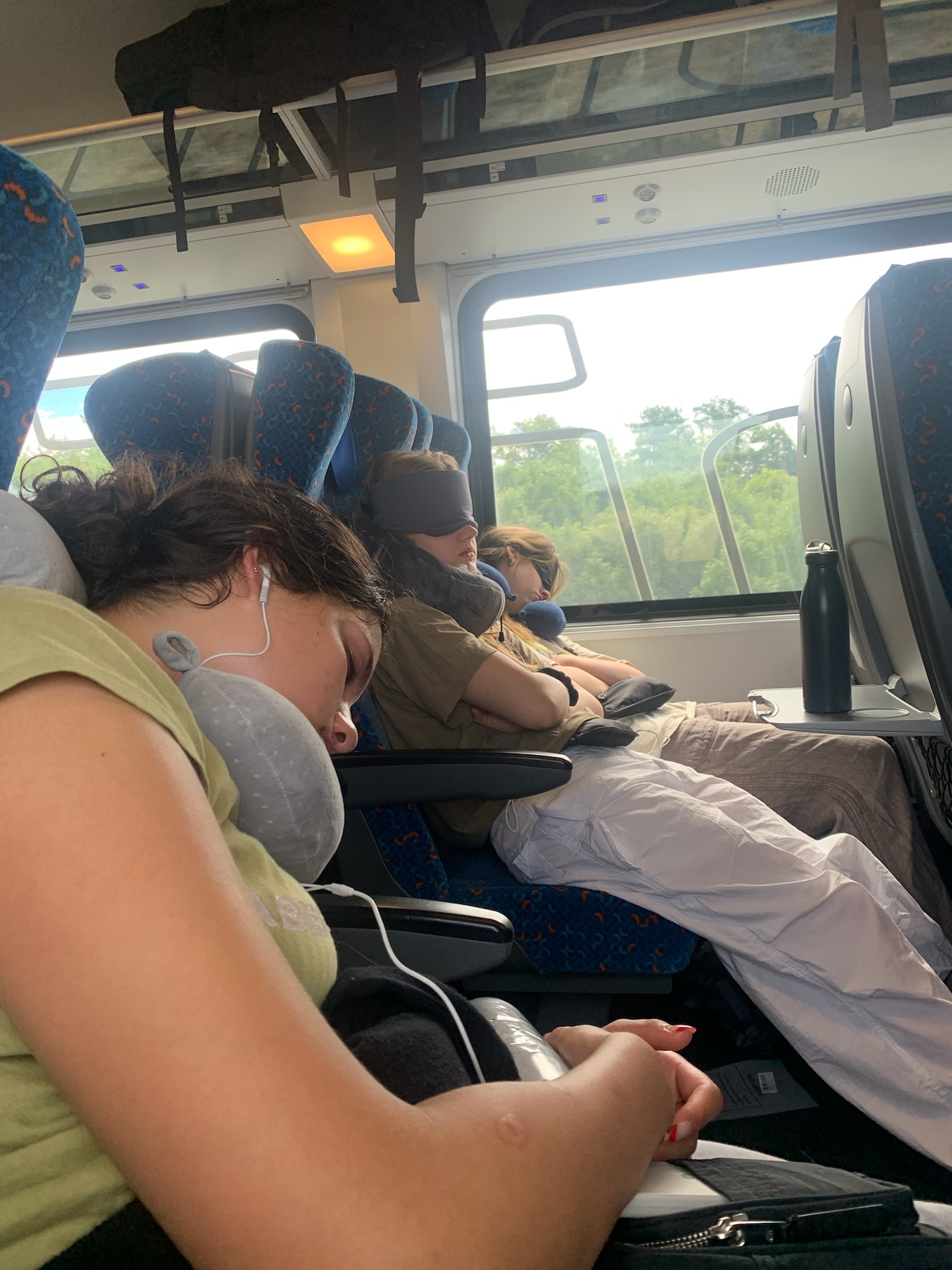
Sleep may not come easy if you're hopping between hostels or staying somewhere with no curtains and a noisy high street, so also pack an eye mask, earplugs, and a neck pillow for a nap whenever you need one.
Spontaneity vs. planning ahead
The key to travelling is finding a balance between being spontaneous and planning ahead. While Google has reels of knowledge about popular places to visit, the way to truly experience the country’s culture is to ask local residents for their recommendations – even if that means speaking the broken Spanish you last learned for your GCSEs. Chatting with the locals and fellow travellers you meet along the way will be your best Wikipedia. Download Duolingo and get practicing!
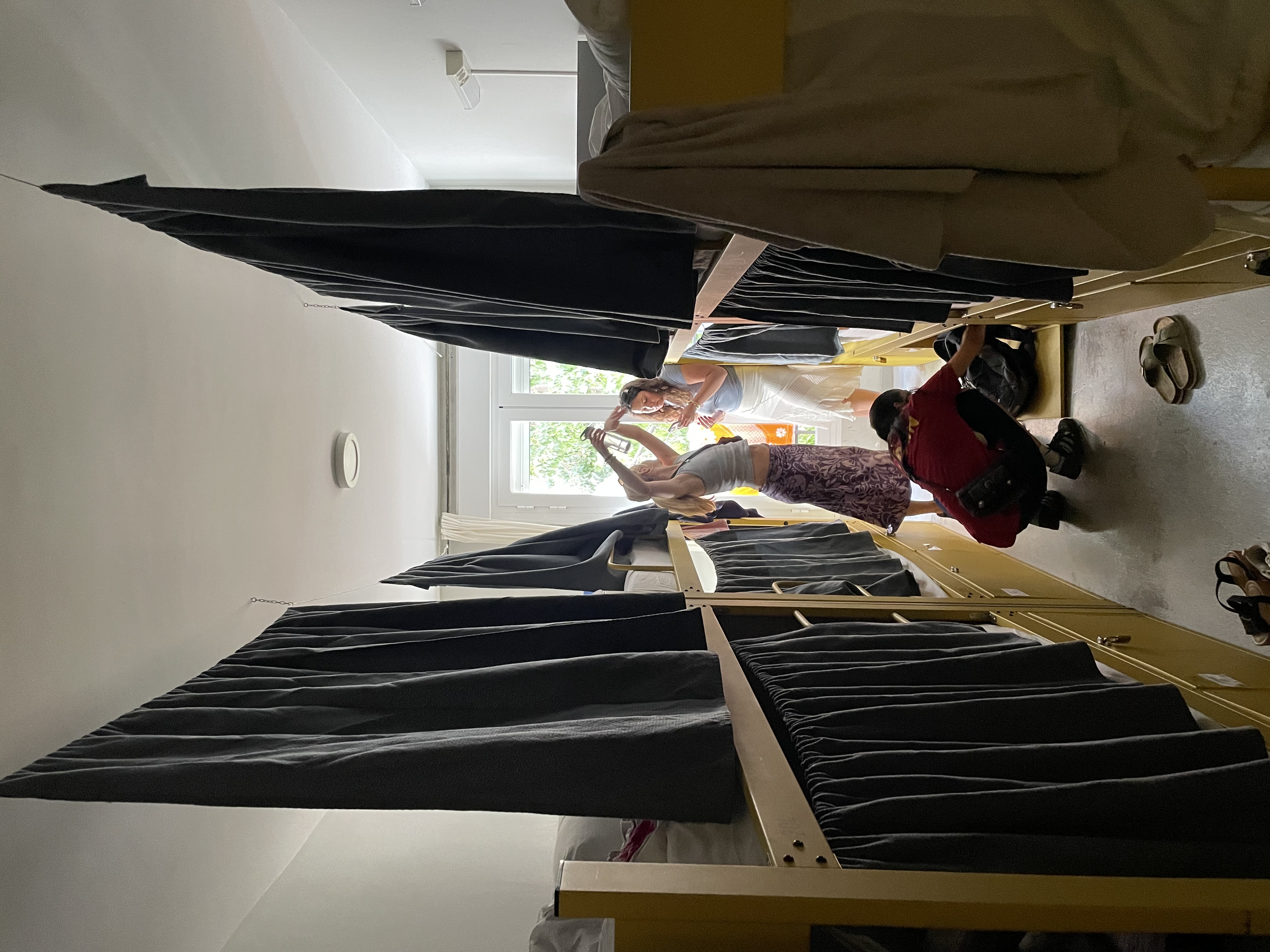
Most of the time, booking accommodation in advance will be the cheapest option. However, you may want to leave a few days free here and there to explore local hostels, which are cheap, sociable, and often allow on-the-day walk-ins.
Before you decide the location of your accommodation, Google what each area has to offer. Some places may specialise in serving traditional dishes from quaint, local restaurants, whilst some may be more renowned for their ornate architecture and grand, structural buildings – it all depends on your motive for the trip.
Tips on staying safe
Trust your gut – if something makes you feel uncomfortable, avoid it. It’s not worth the risk.
Keep a little zip bag full of precious items – passport, bank card, phone – and guard it with your life.
Always carry a little bit of cash. Some places don't accept card payments, which could leave you in a pickle.
Have your phone on you at all times (what a great excuse)! Google maps will help you navigate your surroundings.
Look at reviews – if there are no reviews, don't go (no matter how nice the pictures look).
Conclusion
It may not be possible to rigidly stick to these guidelines, and that's okay! The things that don't go to plan will (hopefully) be a funny story to tell your friends over dinner. Everything is for the plot!
Our UniHomes Content Ambassadors are current students across the UK who share tips about student life in their city to help you make the most of your time at uni. If you're interested in writing for our programme, click here for more details.
The views and opinions expressed in these blogs are those of the UniHomes Content Ambassadors and do not necessarily reflect the opinion of UniHomes. UniHomes accepts no liability for the content of these Student Blogs.